














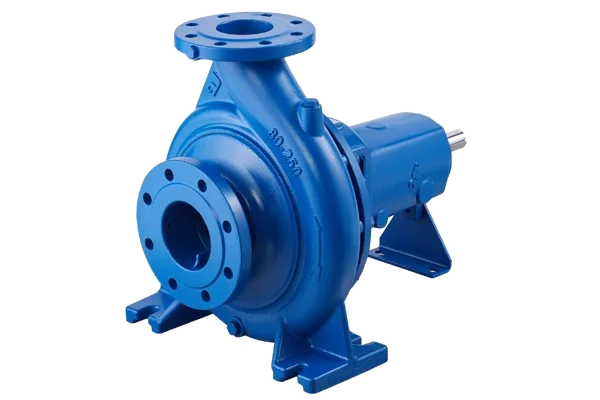
Industrial Pumps
and Vacuum Solutions
Reliable supply, quick quotes, and technical support for magnetic, diaphragm, metering, and vacuum pumps since 2006.
Atlas Proses
Get to Know Us Better
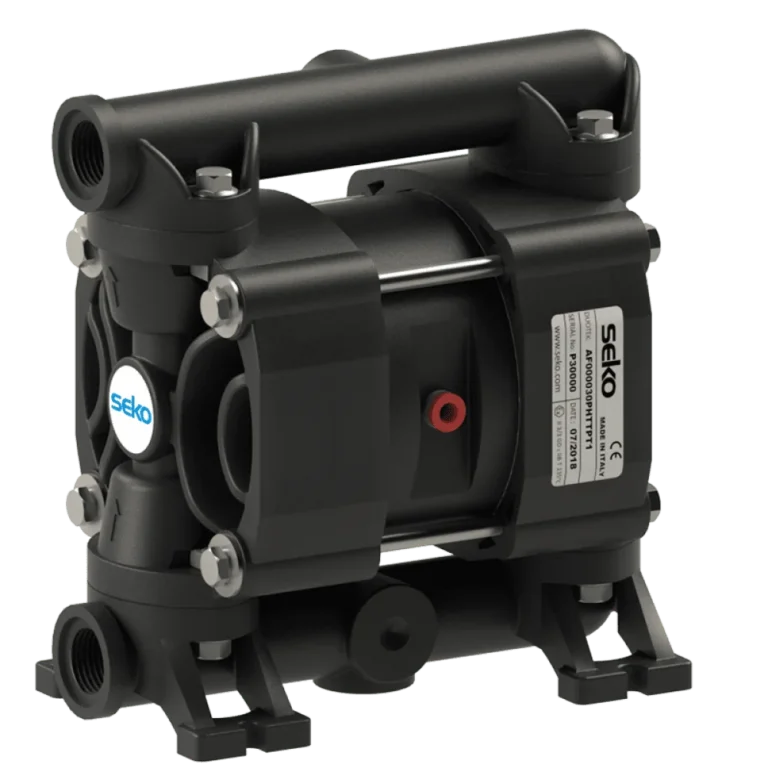
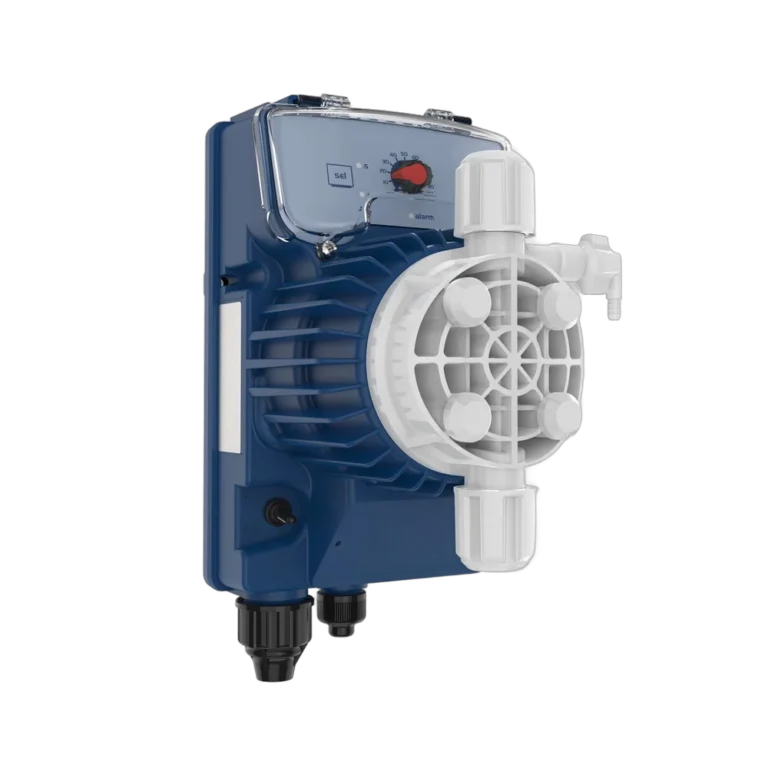
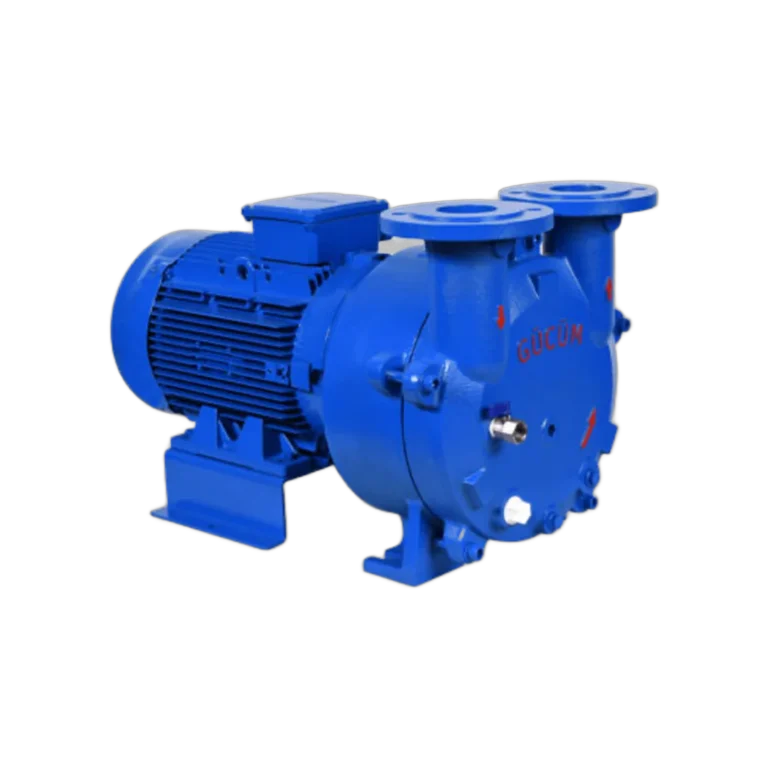
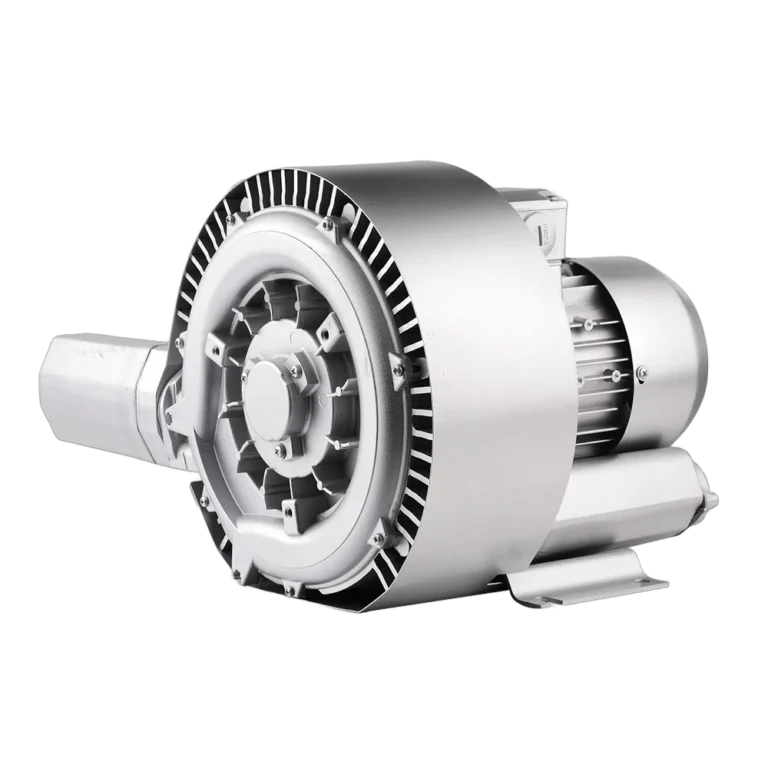
We have been in the industrial and residential pump sector since 2006. We supply magnetic, diaphragm, metering, gear, and vacuum pumps, along with auxiliary process equipment, to chemical, food, pharmaceutical, water treatment, swimming pool, and petrochemical facilities—all backed by the Atlas guarantee.
We don’t just provide products—we help you make the right choice: we listen to your application needs, evaluate all criteria—from flow rate and head to material compatibility—and stand by your side with after-sales spare parts and service support.
Pump Selection Guides — Knowledge Centre
Choosing the right pump is not only a matter of flow and head. Of two pumps delivering the same flow, one will clog at your liquid's viscosity and the other will wear out within months against the chemical. Selection therefore starts with three questions: which liquid, which duty cycle, which material? The eight guides below take each of these in turn, with worked examples.
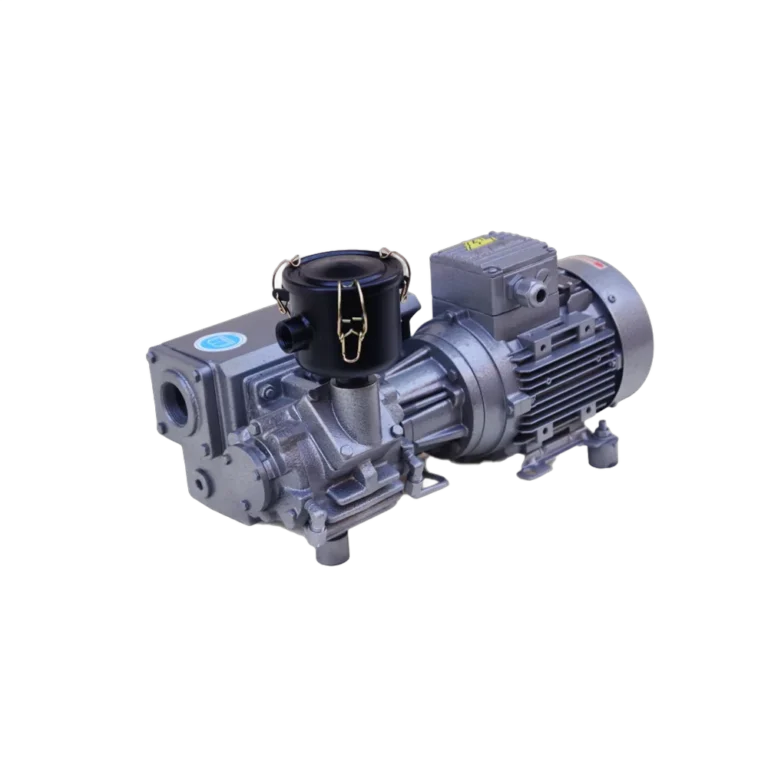
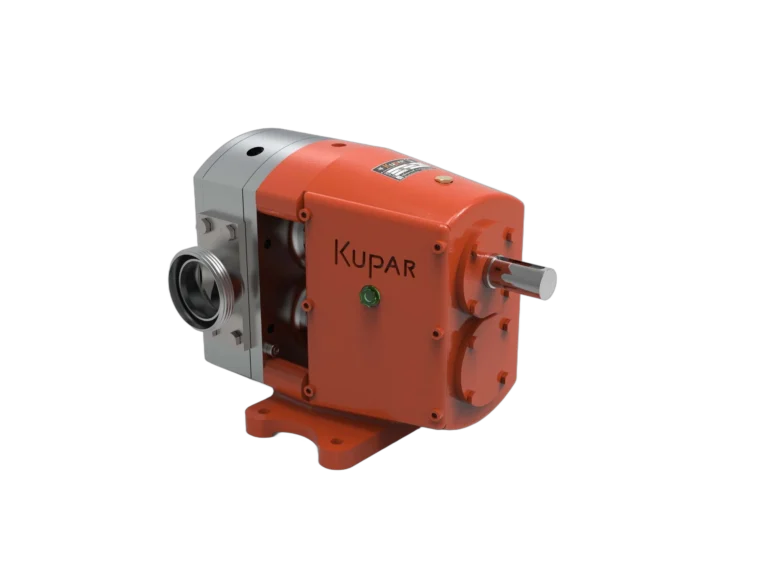
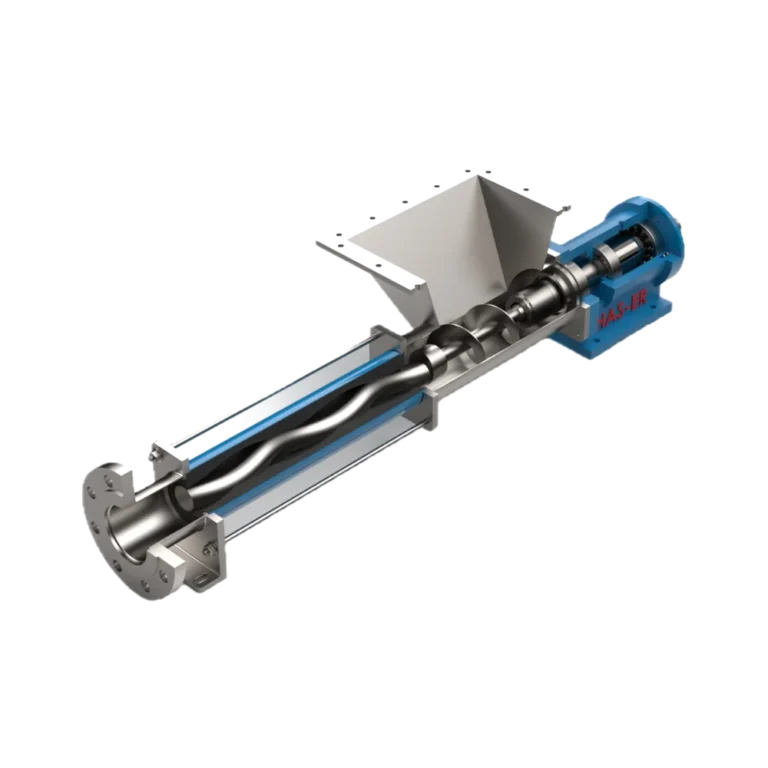
The first group of guides helps you settle on a pump type. The air-operated double-diaphragm (AODD) guide covers the trade-off between flow, air consumption and diaphragm material; the dosing guide explains which metering accuracy calls for a solenoid, a mechanical diaphragm or a peristaltic pump. The magnetic coupling guide deals with seal-less transfer without a shaft seal, and the vacuum guide compares liquid-ring, oil-sealed vane and lobe booster types. Choosing between gear, lobe and progressive cavity pumps for viscous liquids, and calculating turnover time and filter compatibility for pool applications, each have a guide of their own.
The second group covers two engineering topics that bear on every selection regardless of pump type: how the NPSH available at the suction line governs cavitation, and how casing and seal materials stand up to the liquid. The materials guide explains the difference between PP, PVDF, PTFE and 316L; if you would rather look your liquid up directly, the chemical compatibility table does it on a single screen.
- Selecting an Air-Operated Double-Diaphragm (AODD) Pump: Flow Rate, Air Consumption, and Diaphragm Material
- Dosing Pump Selection: A Comparison of Solenoid, Mechanical Diaphragm, and Peristaltic Pumps
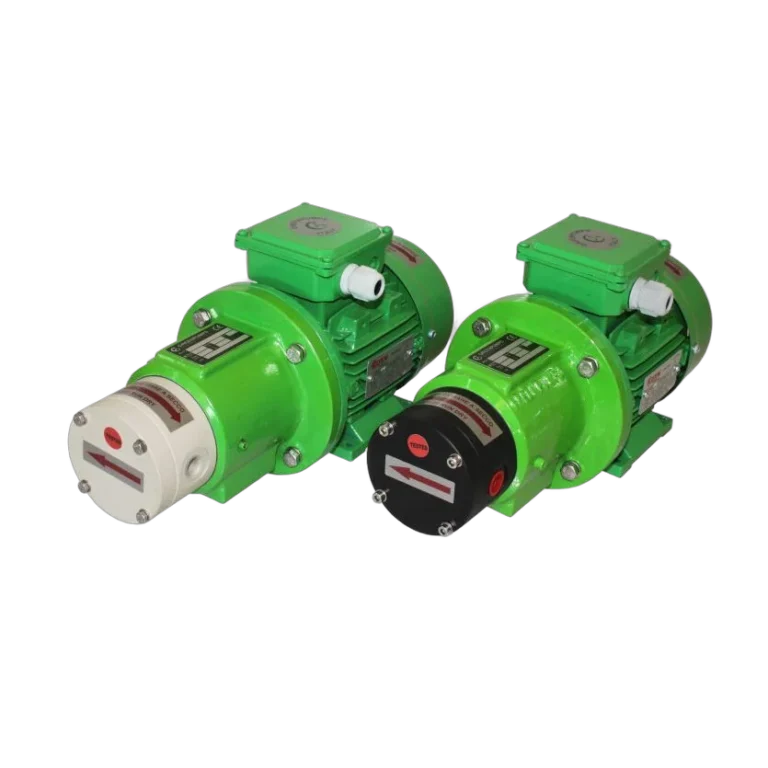
- Magnetic Coupling Pumps: The Engineering of Leak-Free Transfer and Proper Selection
- Vacuum Pump Selection: A Comparison of Liquid-Ring, Oil-Sealed Vane, and Lobe Booster Pumps
- NPSH and Cavitation: Pump Suction Line Design (With Calculated Examples)
- Viscous Fluid Transfer: How to Choose Between Gear, Lobe, and Monopump Pumps?
- Pump Material Selection: PP, PVDF, PTFE, and 316L Chemical Compatibility Guide
- Selecting a Pool Pump: Calculating Circulation Time, Flow Rate, and Filter Compatibility
Atlas Proses
Frequently Asked Questions
Magnetic-coupled pumps are leak-free pumps that transmit power from the motor to the pump via a magnetic field without physical contact. Since shaft sealing is not required, the fluid is safely transferred without coming into contact with the external environment.
It is the preferred choice in any field where hazardous or sensitive liquids are transported, particularly in the chemical, petrochemical, pharmaceutical, food, water treatment, surface treatment, and laboratory sectors.
Pumps with mechanical seals have a sealing element that wears out and eventually begins to leak. Pumps with magnetic couplings do not have this element; as a result, maintenance requirements and the risk of leaks are significantly reduced.
It is used for acidic, corrosive, volatile, and toxic chemicals, as well as process fluids where cleanliness is critical. The body material (thermoplastic, stainless steel, alloy) is selected based on the fluid to be transported.
It operates on the "zero leakage" principle, reduces maintenance and spare parts costs, contributes to environmental protection and workplace safety, and—when selected properly—delivers long-lasting performance.
The chemical composition and density of the fluid to be pumped, the temperature range, the desired flow rate and head, and the operating conditions are all evaluated together. If you provide us with this information, we will determine the appropriate model for you.
Each model has its own temperature range; models with thermoplastic housings operate up to a certain limit. For higher temperatures, models with stainless steel or alloy housings are recommended. You can check the technical specifications on the product pages.
The GREENPUMPS GPM (Caster M) series consists of magnetic pumps with thermoplastic housings manufactured using the plastic injection molding process, which operate on the zero-leakage principle. They are designed for use with strong acids and harsh chemical compounds.
If your application requires an explosive atmosphere, simply indicate this in your request; we will work with you to determine the appropriate option based on the manufacturer’s specifications for the relevant model.
Yes. We provide spare parts, technical support, and maintenance services for the pumps we sell.
You can contact us via the "Get a Quote" button on the product pages, the contact form, by phone, or via WhatsApp. Let us know what you need, and we’ll share the appropriate model and price with you.
Get a Quote
Get a Quick Quote
for Your Project
Let’s work together to determine the pump system that best suits your needs for a wide range of industries, including chemicals, food, pharmaceuticals, water treatment, swimming pools, and petrochemicals.
Please provide details about the fluid to be pumped, the flow rate and head, or your application; our technical team will determine the most suitable model and prepare a price quote.
- Free Technical Consulting
- Quick Quote Response
- 480+ Product Option
- Spare Parts and Service
Quote / Request for Information
Fill out the form, and our team of experts will get back to you as soon as possible.